Homebuyer Guide
Do You Need a Roof Survey When Buying a House?
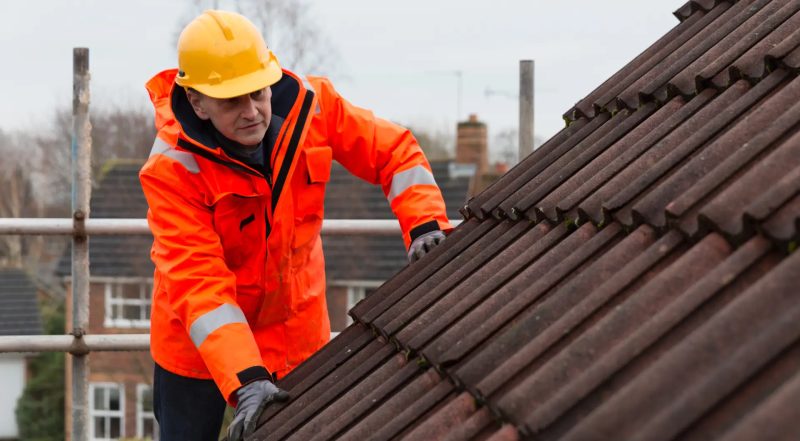
The roof is the most expensive thing a house survey can miss, and no standard survey gets anyone up on it. Here are your three options with honest prices, whether you are still viewing, just had an offer accepted, or holding a survey that flagged the roof.
The honest answer: usually, but not always.
- Roofers, not general surveyors
- Honest triage, no hard sell
- £50 survey report reviews
- Independent surveys via NWRS
- Stockport & East Cheshire
Daniel Scott Roofing is a family-run team of roofers covering Stockport and East Cheshire, and we spend our weeks up on the kind of roofs people are buying. That is why buyers call us when a survey flags the roof: we can tell you what the note actually means and what putting it right would cost. A fully independent, mortgage-approved survey is a different job, and we keep it that way by arranging it through our partner North West Roof Surveys rather than marking our own homework. The formal survey is never ours to sell, so we have no reason to steer you toward one you do not need, and every reason to give you the straight answer we would want ourselves. Here is how we help buyers decide.
The honest verdict
A standard house survey barely inspects the roof, so a dedicated roof survey is usually worth it on an older property, on anything the survey flagged, and on anything a lender has queried. But you do not always need a formal survey. Sometimes a £50 review of the report you already have, or a straightforward repair quote, does the job. Your three options and their real costs are below.
The fine print
What your house survey actually checks on the roof
Start with the thing most buyers do not realise: a mortgage valuation is not a survey. It is a brief visit carried out for the lender, often around twenty minutes, and it tells you almost nothing useful about the roof.
The survey most buyers rely on is a RICS Home Survey. Level 1 is a basic visual check from ground level. Level 2, the popular "homebuyer" survey, adds a look into the loft from the hatch. Level 3, the full building survey, goes deeper inside the roof space. What no level includes is anyone actually getting up on the roof: surveyors work from the ground and from safely reachable hatches, with ladder use tightly limited, and they do not walk roof coverings.
That is why so much of the roof section in a survey is written in code. Three phrases come up again and again.
-
“Further investigation recommended”
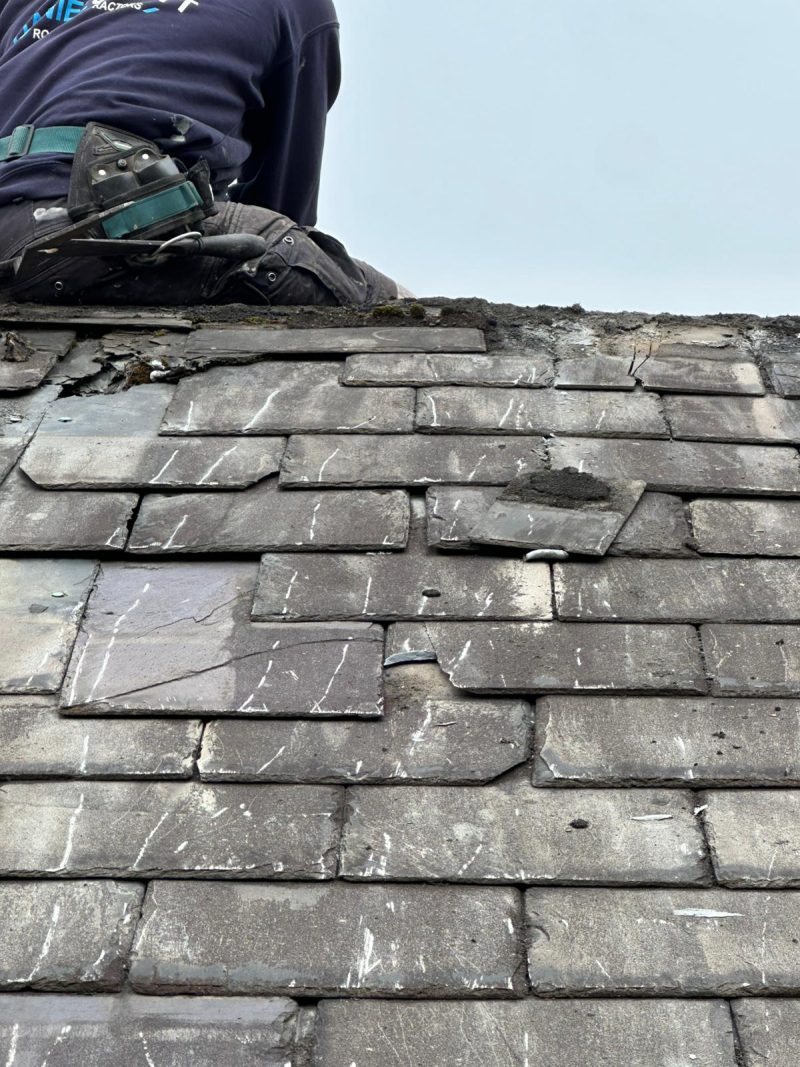
The surveyor saw something they could not diagnose from the ground, or could not see enough of it. It is the single most common roof line in a Level 2 report, and it is exactly the situation our £50 report review exists for. If your report already says this, here's exactly what to do next.
-
“Potential to leak”
Defensive phrasing that covers the surveyor if anything goes wrong later. It does not tell you whether the roof actually leaks, how urgent it is, or what putting it right would cost.
-
“Not inspected / assumed satisfactory”
The parts the surveyor could not see at all: hidden valleys, flat sections over extensions, chimneys above ladder height. Silence in a survey is not reassurance.
None of this is a criticism of surveyors. The RICS Home Survey Standard is explicit about those limits, and the HomeOwners Alliance gives buyers the same advice: when the survey flags the roof, the next step is a roofing specialist, not a guess. Even a green rating is a ground-level opinion, not a guarantee.
The decision
What does a homebuyer roof survey cost? Your three options
Every buyer who calls us about a roof is really choosing between three routes. Here they are with honest prices, including the one that is not ours. Already have the survey? Start at the £50 review. Not had one yet? The visit or an independent NWRS report is your route.
What the £50 report review actually gives you
- Every roof item in the survey identified and priced, in writing
- Realistic ranges where the report is too vague to price precisely, and a straight recommendation to upgrade to a visit if the roof genuinely needs eyes on it
- Formatted to hand to the estate agent, your solicitor or the seller as negotiation evidence
- Usually back with you the same working day
Got the survey report already?
£50 gets every roof item in it priced in writing. Send it over, or email it to info@danielscottroofing.co.uk with your number.
Already had the survey?
Survey flagged the roof? Start here
If your report already says the roof is nearing the end of its life, needs further investigation, or needs replacing, you're past the “do I need a survey” question. The real one now is what those words mean, and what they'll cost you.
A survey tells you the roof is old. A roofer tells you what that costs, and whether it matters yet.
Some coverings really are finished: nail sickness, powdering concrete, spalled clay. Most flagged roofs are nothing of the sort. Our full guide tells you which you're holding, decodes the survey wording, and puts honest cost ranges on the items most often flagged.
The short version: don't pull out, and don't proceed, until the flagged items have a price on them. That's what the £50 report review is for.
Before you offer
How to check the roof before buying a house
You can learn a lot before you even make an offer, all from the pavement and the garden, with binoculars if you have them. Never from a ladder: viewings and ladders do not mix.
- A sagging ridge or rippled slopes, which can point at tired timbers underneath.
- Slipped, patched or mismatched tiles, a roof that has been fixed piecemeal for years.
- Heavy moss on the bottom courses, which holds moisture against the tiles and can hide defects from the surveyor too. Our moss guide explains when it matters.
- A cement-slurried or painted roof, usually a cheap cover-up of tiles that were already failing.
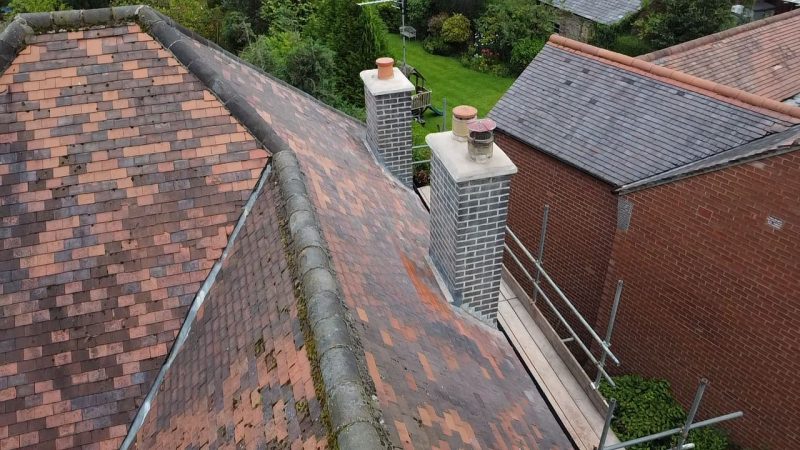
- Leaning or heavily weathered chimney stacks and cracked flaunching around the pots.
- Sagging gutters and stained fascias, the slow-drip evidence of a roofline that has been letting water past. Guttering is a cheap fix caught early, but soft or rotten boards behind it mean fascia and soffit replacement in Stockport, not just a re-hang.
- Bowed or ponding felt on flat roofs over extensions and bays, the classic flat-roof line in survey reports.
- Inside, if you get the chance: ceiling staining upstairs, and daylight or a damp smell in the loft.
None of this replaces getting the roof checked properly. What it does is tell you whether to budget for a roof check before you offer, and how hard to negotiate when the survey lands.
Lender red flags
Spray foam, flat roofs and the roof problems that spook mortgage lenders
-
Spray foam in the loft is now the single biggest roof-related mortgage blocker. Many lenders refuse or restrict lending until a specialist inspection reports on the foam type and the timbers underneath. If you are buying a house with spray foam in the loft, our full guide explains how to tell what is up there and when it genuinely does not need removing. The formal inspection itself is one NWRS provide, arranged through our surveys page.
-
Large or tired flat-roof areas can trigger a retention (where the lender holds back part of the loan until the work is done) or a specialist survey condition. A modern EPDM or fibreglass flat roof with paperwork reassures a valuer; sixty-year-old felt does the opposite.
-
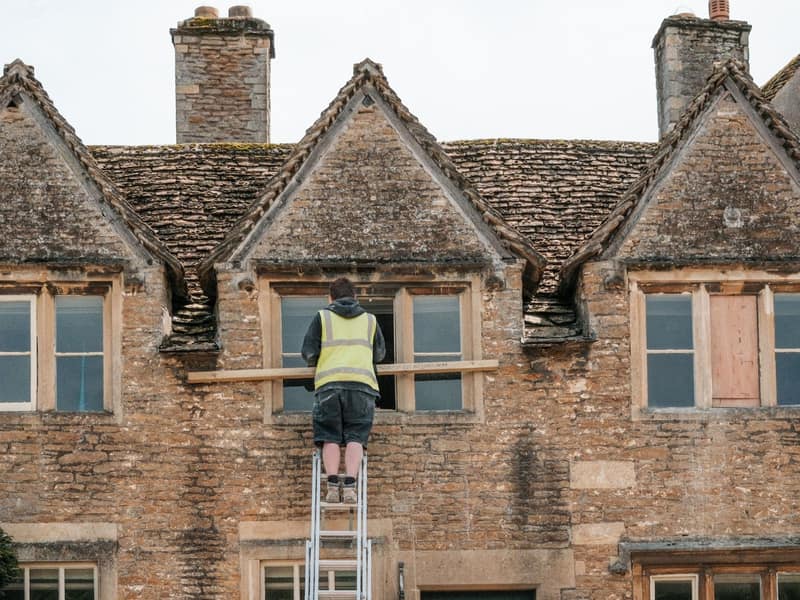
Non-standard coverings, such as the heritage stone slate on older Cheshire properties, can prompt a request for a specialist report, and “replace like-for-like” budgets are a different conversation from a standard tile roof.
Those are lender questions, but insurers have their own: if a roof is storm-damaged or the insurer wants it documented, our guide to roof insurance claims explains what is covered and the evidence a claim needs.
Local knowledge
Buying in Stockport or East Cheshire? What we see at survey
No national guide can tell you what the roofs in your postcode actually do. We repair them all year round, and the same four patterns come up in survey reports again and again.
Victorian & Edwardian terraces
Edgeley, Reddish, the Portwood fringe
Original slate on rusting nails with no underfelt beneath, and back-addition valleys that fail quietly. “Further investigation” on these is very often nail sickness, which is a re-roof conversation worth having before you exchange, not after.
1930s semis
Bramhall, Cheadle Hulme, Hazel Grove
Clay rosemary tiles gone brittle with age, mortar-bedded ridges at the end of their life, and chimney flaunching cracked through. Individually small jobs, but they add up, which is why pricing the list matters.
1960s & 70s estates
Offerton, parts of Hazel Grove and Woodley
First-generation concrete tiles now 50 to 65 years old, powdering surfaces, and failed pointing on the verges. These roofs built whole estates in one decade, so they are all reaching the same point together.
Conservation & heritage stock
Marple Bridge, Bollington, Disley, Alderley Edge
Kerridge stone slate and heritage detailing, where “replace” means like-for-like materials and the budget is a different conversation entirely. Get that number before you commit, not after the lender's valuer asks for it.
Buying in Wilmslow, Poynton, Alderley Edge or the surrounding towns? Our East Cheshire roofing hub covers the local stock in more depth.
How it works
How a homebuyer roof check works, step by step
Call us, or send the report
Two minutes on the phone tells us which of the three routes fits your situation, including “none of them yet”. Or skip the call and email the survey straight to info@danielscottroofing.co.uk.
You get the document you need
A written estimate from the report, a written quote from a visit, or an introduction to NWRS, who book the survey and deliver their mortgage-approved report to you directly, normally within a day or two of the inspection.
After you complete
If work is needed, we quote it and carry it out with our workmanship guarantee, whether that is a day of repairs or a full re-roof.
Quick answers
Roof surveys for homebuyers: frequently asked questions
Do I need a roof survey when buying a house?
Not always, but it is usually worth it if the property is pre-1980, the survey flagged the roof, or a lender has asked questions. A modern roof in visibly good order with a clean Level 2 report rarely needs one.
Is a roof survey worth it on a newer or modern home?
Usually not on the roof alone. Newer coverings in sound condition, with nothing flagged and no lender queries, rarely justify a separate roof check. The exceptions worth watching on a modern home are spray foam in the loft, a flat-roofed extension that has aged faster than the main roof, and any patch repair that hints at an earlier problem. Not sure? Send the report over and we will give you a straight answer.
What is the difference between a homebuyer survey and a roof survey?
A homebuyer survey (RICS Level 2) covers the whole property and looks at the roof from the ground and the loft hatch. A dedicated pre-purchase roof survey does the opposite: a specialist inspects just the roof, up close or by drone, and reports on nothing else. Buyers often end up using both, with the roof survey triggered by what the Level 2 flagged.
Why do roofers charge to look at a house you do not own yet?
Because most pre-purchase quotes never become jobs, so free visits get quietly deprioritised or padded. Charging a fair fee for the visit is what lets us give you a straight answer, including "this roof is fine".
What does the £50 report review include?
We read your survey and identify every roof item it flags, then price each one in a written estimate, with realistic ranges where the report is too vague to price precisely. If the roof genuinely needs eyes on it, we say so and recommend upgrading to a visit instead. It is formatted to hand straight to the estate agent, your solicitor or the seller as negotiation evidence, and it is usually back with you the same working day.
Can a roofer inspect a house before I have bought it?
Yes, with the vendor's or estate agent's permission. Access is normally arranged through the agent, the same way the surveyor's visit was.
How long does a homebuyer roof check take to turn around?
Report reviews are usually priced the same working day. For an independent survey, NWRS invoice the morning after the inspection and release the report within 24 hours of payment, so most buyers have it in hand within two working days of the visit. Either way it fits comfortably inside a normal conveyancing window if you move soon after your offer is accepted.
Who pays for a roof survey, the buyer or the seller?
Normally the buyer commissions and pays. Some sellers commission a pre-sale roof report instead, to reassure buyers and head off renegotiation. NWRS offer those too, and we can point you the right way.
Will a mortgage lender refuse the loan if the survey flags the roof?
Rarely outright. More often the lender applies a retention (holding back part of the loan until the work is done) or makes the mortgage conditional on a specialist report. Spray foam in the loft is the main exception that can stop a mortgage until it is inspected. In almost every case a costed repair quote or an independent NWRS report is the document that satisfies the lender and lets the purchase move on. If your survey has already flagged the roof, our next-steps guide explains what a flagged roof means for your mortgage in more detail.
Qualified, Insured and Local
-
CORC Accredited Member

-
CITB Certified

-
City & Guilds

-
NFRC Competent Person

-
NWRTG Member

-
NVQ Qualified



Rated 5 stars by 50 homeowners. Read our Google reviews.
No pressure, no hard sell
Not sure which option you need? Two minutes on the phone will sort it.
Tell us where you are up to: offer accepted, survey landed, or lender asking questions. We will tell you straight which route fits, and it is often the cheapest one.
- An honest steer, including “you do not need a survey” when that is true
- £50 report reviews, priced in writing
- Independent surveys arranged through NWRS, never carried out by us
- The £170 visit fee comes off the invoice if we do the work
Survey already flagged the roof? Read the next-steps guide
Enquiry Sent!
Thank you. We'll be in touch shortly, usually the same working day.
Need us sooner? Call 0161 566 7522
Something Went Wrong
We couldn't send your enquiry. Please try again or contact us directly.